
Our Divided City

As we head into the holidays, New York is a city divided. It has always been a place of vigorous debate and contested policies, but the latest controversy over race and policing has dialed up the vitriol and indicates a further departure from civilized debate.
The past summer Eric Garner, a black man on Staten Island died in police custody after being arrested for selling loose cigarettes. A video of his arrest and scuffle with police was widely broadcast. A grand jury declined to indict the police involved in his arrest and the finding was met with instant and widespread protests throughout the city.
Some of my friends are out on the streets getting arrested or leading protests against the police. Some of my friends are in law enforcement or are retired cops who question the motives and the tactics of the protesters.
The Eric Garner grand jury findings came only a few days after a grand jury in Ferguson, Missouri declined to indict a white police officer for the shooting of a black teenager there. In Missouri, the grand jury’s decision not to indict the officer in the shooting of Michael Brown has resulted in several nights of looting and rioting and at least one blatant and under-reported racial killing.
The question is whether protests are going to hobble travel too much. The police are determined not to let that happen, but when thousands and thousands of people take to the streets at once, it’s usually the best the cops can do to try to steer them in a direction that doesn’t clog things up too much.
New York has had its race riots in the past but is less likely to have them today despite being one of the many epicenters in the country for racial disharmony. While we have the same constant churn of racial and ethnic distrust and ill will as the rest of the country, we don’t have the critical mass of complete hopelessness and depravity in large areas that usually act as a crucible for riots. And while our population of professional protesters helps promote a climate of racial grievance, it also knows it has to keep things from getting too violent if it wants to stay in business.
There used to be a gentlemen’s agreement between police and protesters. Years ago, protesters would sometimes block streets or buildings and get arrested. They wouldn’t get too aggressive and the police in turn would process their arrests on the spot and then let them go. Under Giuliani that changed. Police started putting protesters through the system, which can often mean a night in jail or at least several long hours in a police holding cell. Mayor Bloomberg generally kept to those policies.
I urge protesters not to attempt to stop the subways and busses from running; however just you think your cause is, when you throw a monkey wrench into the fragile works of the New York City mass transit system, you are playing with fire. Hell hath no fury like a New York City commuter purposely delayed.
The protests will continue and no minds will be changed by them. The divisions that existed before these latest incidents will remain and people’s views will only be intensified by what they see as the excesses or the ignorance of the opposition.
Words on the Streets

A recent video posted by the organization Hollaback documents a women walking the streets of New York city and being harassed 100 times over 10 hours.
It’s a mark of shame on the city that someone could have no trouble filming that. Creepy men can be found in every corner of the city and they operate with impunity. It’s no crime to be a sleazy jerk.
Catcalls are the calling card of failures. They are the currency of street garbage. It is behavior lower than an animal’s and people who do that should be treated as such. There’s no excuse for that behavior, so let’s stop making it.
There’s nothing manly about it. It’s the mark of a coward to impose yourself on a woman traveling alone. Watch the same women walk around for 10 hours with a man at her side and watch people shut up.
The right thing to do is not acknowledge this at all. What annoys me is to see women smile at these people. That only encourages them. They want to get some kind of reaction.
It happens almost exclusively to women who are traveling alone. Rule of thumb: don’t say anything to a woman you wouldn’t say in front of her much larger and meaner boyfriend, husband or father. Talk to women on the street the way you would if your mother was there with you.
One criticism of the film is that it somehow holds up as negative the normal attraction men feel for women and that it is somehow a covertly radical feminist diatribe against men. This is nonsense.
There’s no gender warfare involved with this, this is an issue of behaving like a decent human being. I oppose catcalls not because I am a feminist (men by definition aren’t feminists), but because I believe in civilization.
There’s a difference between noticing a pretty woman and making it obvious that you’re staring at them. Everyone hates being stared at. If you are an adult man and you haven’t figured out how to discreetly and quietly check out a woman’s ass, you’re an imbecile. Real men learn how to do that by the time we’re 14 at the latest. Not employing this skill makes you unfit for the benefits of an adult male.
There was once a time when men who made those comments towards women were meant to pay for it by the judgment and actions of their peers; it is time for that again.
When they turn 12, I plan to buy my daughters pepper spray and stun guns. But more vital than that, is to make sure they are raised with enough sense of self that they don’t respond to catcalls or give any quarter to people who would behave that way in public. My girls are far above and beyond the kind of people who would harangue women on the street.
The most ridiculous accusation against the film is one of racial bias. There are no “racial politics” involved in the film. The Hollaback group wrongly issued an apology for the “unintended racial bias” depicted in the movie. But there’s nothing to suggest it is not an accurate portrayal of street harassment. It’s as real as real gets.
The accusations of racial bias in the film are groundless. There are indeed white street harassers depicted in the video, and I know this just by watching the short video that is about two minutes long. I have not watched all 10 hours of the video but I’m willing to wager that the racial composition of street harassers depicted over 10 hours will be largely unchanged from the two minute summary video.
The population of street hoodlums does not perfectly mirror the racial makeup of the city, and so no accurate video of New York street life will either. What activists call “racial bias” in the video most New Yorkers know as reality. If you think the video is a vehicle of racial politics you are lacking common sense and completely missing the point.
And the point is that this kind of behavior should stop. There is no excuse for it from any race of people.
Let’s resolve to stand up against inappropriate behavior. New York is rude enough without making it inhospitable to women. If you are a real man, you want all women to feel comfortable in your city. Make it so.
Back in Skel Country
Circumstances have smiled upon me and I found myself with new and more gainful employment. I made the move from journalism to “the dark side” of public relations. My days are still filled trying to understand the minutia of financial terms and technological jargon, I’m just writing for a different audience.
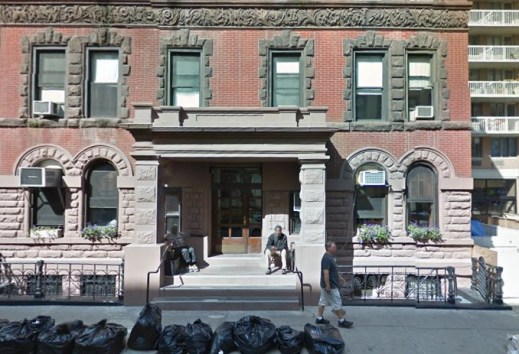
The new job is a shorter commute and is in the Flatiron district of New York. It’s less than two blocks from Madison Square Park and only one block away from the 6 train. The office is in a small building on 24th Street. It’s convenient to both a 7-Eleven and a deli, and near a Baruch College building.
The new office is also only a few doors down from some kind of halfway house or rehab center. There’s no sign on the building indicating this, and a cursory web search of the address revealed nothing about its current use. You can tell what it is by the people who congregate outside and can be seen coming and going. Even before I discovered its location, I knew there was some sort of facility in the area because of the skels I would see on the street.
Skel is an antiquated term meaning street criminal but it’s a catch-all word that is used to include any kind of troubled sort given to criminality, and the homeless and mentally ill seemingly fit into this category.
It’s easy to pick out the skels on the street. They are dirty and wrinkled. They are not homeless-level dirty and don’t have the mile-away stink that typical street bums do. They do not carry around excessive luggage or tons of crap in shopping carts; they have a place to live. But street people have a way of standing out, at least in today’s less crime-ridden city. Twenty years ago things were different and many parts of the city were blanketed with homeless and other skels. Today Manhattan does not have too many poverty pastures. There’s still plenty of poor people in New York, but the space allowed for skels has diminished significantly.
When I worked in the lower part of midtown Manhattan about 12 years ago, the area was populated with a lot of street people. There was a methadone clinic across the street from the building where I worked and some kind of halfway house was not far either. One time I was on my way out of a Duane Reade drug store after buying a few things when a man and woman rushed up to the counter. The man was holding a $10 bill.
“I need change right away! I have to pay the taxi!”
“They’re going to send him to jail if he doesn’t pay!” his female companion said.
The clerks behind the counter shook their heads lazily.
There was no cab outside with an angry driver waiting.
Another time I was walking around on my lunch break and I saw a two men approach a man from behind, one flashed a badge and the two plainclothes cops took the man by the arms and pinned him against the building where I worked.
“Where’s the weed?” one of the cops asked him. I didn’t bother to stick around to see how this encounter ended. When I returned from my lunch break, they were gone.
There is both a Taco Bell and a White Castle on that block of 8th Ave. and 36th Street, which is heavenly unless you are so poor you really can’t afford either. I was coming off of more than a year of unemployment and I was so poor that my lunch sometimes consisted of the free snacks that the failing company offered. Still, the kinds of human abominations that frequented the area were seemingly from a different era. A woman complained to her friends about not getting what she needed from the methadone clinic. Random skels shouted their opinions for the world to hear.
Despite the improved conditions in the Big Apple over the last 20-plus years, New York is still famous for its seedy element. Before it was populated with fancy hotels and trendy restaurants, The Bowery was famous for its many flop houses, where people paid low rent to live in rooms no bigger than a jail cell. It was a world-famous refuge for drunks, drug addicts and criminals and there are still some homeless charities left on The Bowery, which is also known for its stores that providing lighting and restaurant supplies.
The residents of the nearby halfway house are easy to spot. They are dirty and disheveled. But even if you cleaned them up and dressed them in tuxedos and ball gowns, they would still stand out because they’ve acquired such gaunt features and acquired the mannerisms of the permanently destitute.
People often wear their desperation outwardly, and for the lifelong criminal and drug addict these are impossible to hide. Despite all of their efforts, you can hear the junkie quavering in their voice, sense the hurting shiftiness in their eyes, and know to avoid them.
Sometimes you can get fooled, but not for long. One time a man in a suit waved to me and held out his hand to shake mine. He looked a lot like someone I knew so I assumed I knew him and that I had forgotten his name, which I do all the time. Once he started talking though, he started blathering on about his wife being somewhere and he needed money for a cab etc. Damn, I got suckered into listening to a panhandler. I didn’t give him any money but felt like a sucker anyway.
No matter how real or sincerely someone may seem, you’re a damn fool if you give one cent to a panhandler. Even the most bleeding-hearted skel lover admits that the overwhelming majority of money you give to panhandlers goes to purchasing drugs and/or alcohol.
For some reason we allow people to live worse than animals on the streets and subways. If a dog looked and smelled like that, they’d be taken away and given shelter. Somehow it’s deemed liberating to watch people wallow in their own filth, but there’s nothing progressive or enlightening about it at all.
Eventually gentrification will continue and the city and private charities will realize they can generate more revenue for their cause by selling the valuable real estate they hold in Manhattan and move their services to less expensive neighborhoods.
There’s a belief among many artists and poets that the destitute and poor some kind of unique insight or soulful legitimacy. Since they are not blessed with American success they are not cursed by it, or so the logic goes. But you’ll find that most bums on the street are just that: bums. They’re every bit as shallow and ignorant as the douchebag financier or the fashionable hipsters we love to hate.
The world will never be rid of street people. New York’s dwindling clans of them are still around, but their roaming grounds have been sharply reduced and can’t support as large a population.
Bum Coin Mystery Still Unsolved

A little more than two years ago I found a strange object in downtown Manhattan and I have been puzzled by it and would like to learn its origins. I am reopening the case as I remain curious as to its origins.
I spotted it as I walked past Delmonico’s restaurant. I noticed what appeared to be an odd coin sitting on the edge of the landing.
The coin is roughly the size of a quarter and appears to be plaster. It resembles a quarter that has been plastered over. On one side reads “Give Money,” and the other side reads, “To Bums.” Underneath that is the cryptic “bw 12.” Should I take that to mean that this was created by an artist with the initials B.W. in 2012?
Is this perhaps a coin created by a mysterious artist? Has some anonymous artists been handing out coins with the insistence that recipients leave one in a public place? Have I found such a coin?
When first mentioning this find a few years ago, a few people posted comments that they found these coins elsewhere in downtown Manhattan. None of the others who found them had any clue where they came from.
If you have any clue as to the origins of this coin, please let me know. Until someone tells me otherwise, I’m going to assume it’s a priceless Banksy work that will be worth millions of dollars when I am ready to sell it to a fancy art collector
But whether it’s the work of a well-known artists or not, it’s anonymous public art that is looking to both entertain and provoke thought. Someone took the effort to make something solely for the purpose of provoking a change in the general public as well as the free enjoyment of the work itself.
Would it be a violation of the aesthetic to reveal the artist’s name if I learned it? If the artist contacts me first and lets me know who they are, I would honor their request to remain anonymous.
And while I very much appreciate finding this piece of art, I have not heeded the strange coin’s advice. Giving money to bums is a bad idea. Most of them will spend the money on drugs and alcohol and handing over your money will only encourage them to stay bums. There are plenty of legitimate homeless charities you can give to if you want to help the homeless and destitute. They should know that our streets and subways are a not place of bounty and willing donors.
I promise to keep the coin as an interesting work of art, and will only sell it if it is given a ridiculously high valuation or I become poor and desperate to sell anything of value. Until then, the coin stays with me and the bums will not get it.
New York Summer Hate List

Summer is a time to burn with hate. The heat brings out the worst in us. The discomfort makes us loose our tempers, see the worst in everything. The constant sweat and stench of the summer boils our rage quickly. In New York City, hate levels are at a natural high given the crowded nature of the city. The summer season pushes our hate levels to its highest levels; global warming will exacerbate this.
Here are biggest reasons you will rightfully be consumed with hate this summer:
Heat: Meteorologists forecast that this will be a long, hot, and humid summer. In the city, the heat is worse than elsewhere. The blacktop and concrete absorb and reflect the heat. Large buildings wall in hot air, car exhaust, and other sickly fumes and heat-emitting odors. We also have the worst of both words with our heat: we get very high temperatures and very humidity.
Crowds and Traffic: New York attracts lots of tourists and we need them here. I will go out of my way to help them and give them information. But they are legion and they don’t know how to move about the city. They clog our sidewalks, subways and escalators to an aggravating degree. Our city requires a fast pace and a knowledge of how to courteously use mass transit and otherwise comport oneself in public spaces. The German tourists who dumbly stand in front of an open subway car door at Grand Central Terminal risk being trampled into strudel stains on the platform. The Chinese tourists who don’t know how to stand in a line make me dread the shape of our future world. There are plenty of New Yorkers who are stupid and ignorant and invite righteous anger, but they’re a constant variable and can sometimes be shamed into compliance. Tourists don’t know better, don’t want to learn and think everything is a big joke.
Bugs: Our city is overrun with roaches. I once live in an apartment that was so roach invested that I developed the ability to kill them with my bare hands without registering an ounce of disgust. The hot weather makes roaches reproduce faster as their eggs don’t take as long to hatch. Did you know that you should spray a roach with bug spray after you crush it to death in order to kill its eggs? Yes. Do that. The heat also brings more mosquitoes, which can now spread diseases like the West Nile Virus. Joy.
School Being Out: When I was in school I loved the summer. Now that I have moved on to adulthood, summer marks the time when teeming masses of juvenile delinquents take up valuable space on subways and sidewalks. Yes, I remember being a young person on summer vacation, and I’m sure I was a big jerk back then too. All the good students are busy working jobs, going to summer camp or spending time with their families. The youth you see out and about in the city are probably being idiots or committing crimes in between getting one another pregnant.
The Happiness of Others: The yellow face of the sky burns us as it mocks our unhappiness. People who revel in the stifling heat and painful sun can’t help themselves in expressing how happy they are. The better humans who are turning red and blistering are looking for ways to get shade and are not cheering their increased chances of skin cancer. Let the heat of the sun consume those who find joy in the midst of our suffering. May their grinning countenances be melted into a rancid plasma that will flow like lava and kill some roaches.
A Bridge Adventure Near 59th Street
Since four out of five New York City boroughs are on Islands, living in New York means dealing with bridges (and subway tunnels) if you want to get anywhere. Since I became a driver in New York a few years ago, I have mostly driven over the Whitestone Bridge, which is closest to my home.
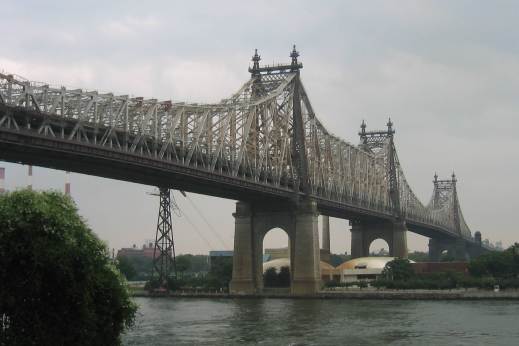
Lately the authorities have gotten into the nasty habit of adding or changing names to some of its bridges. The 59th Street Bridge was officially called the Queensboro Bridge until a few years ago when they decided to also name if after former New York City mayor Ed Koch. It’s now the Ed Koch/Queensboro Bridge. The Triborough Bridge has been renamed the RFK Bridge after Robert F. Kennedy, who was a U.S. Senator from New York when he was gunned down. This has been aggravating. I don’t want to call the Triborough the RFK Bridge. Triborough works better – it connects three boroughs and the name sums that up nicely.
The 59th Street Bridge is a depressing and aggravating bridge for drivers. It has all of the congested traffic of midtown Manhattan with the sooty industrial character of the more neglected parts of Queens. But it is free, so people will stew in hellish traffic to save themselves the $7.50 it now costs to take the Triborough Bridge. (Public policy experts note that the systems of tolls we have on bridges in New York is backward, that we should charge tolls for bridges over the East River that cause more traffic congestion and instead encourage people to use the larger, highway-connected bridges, which now charge tolls).
This past Saturday I was driving home after dropping off some good friends in midtown Manhattan. I made my way east from Times Square and seriously considered taking the Triborough home. No, I thought to myself, I must overcome my apprehension about taking the 59th Street Bridge and make a success of it this evening.
I found myself on First Avenue but did not make the first turnoff I saw for the bridge. I came upon another turn for the bridge and took it, following behind another pickup truck. I saw a sign saying that the outer roadway of the bridge was closed between 9 p.m. and 6 a.m. I thought nothing of it; I hadn’t planned on taking the outer roadway of the bridge, which I had never heard of anyway, and those signs usually referred to weekday construction.
The truck ahead of mine came to the entrance of the bridge, which was closed. It was blocked off with orange traffic barrels. The man got of his truck and just moved some of the barrels. He looked at me as he got back in his truck and his face wore the expression of someone who just did not give a fuck about closed roads. For all I knew he was an off-duty cop. I paused for a minute, not sure if I should follow this driver to a new illegally-opened section of the bridge. Fuck it, I thought. If the cops stop me then I’ll play dumb and just say I didn’t know the bridge was closed because the roadway wasn’t closed. That was technically true.
I could have been driving into a dangerous construction zone or have been tailgating some kind of undercover police operation or been intruding on some other kind of high crime or misdemeanor taking place over the East River. All of those unfortunate circumstances still sounded a lot more fun than contending with the convoluted traffic that would have been required to stay law abiding. I drove up the closed ramp of the bridge.
The outer roadway of the 59th Street Bridge (a.k.a. the Queensboro Bridge a.k.a. the Ed Koch Bridge) is one narrow late separated from the lower roadway by bridgeworks and thick concrete walls. Every once in a while there is a break in the wall and someone driving a smaller vehicle than my pickup truck could probably get away with maneuvering in and out of the lane. I was stuck on the outer roadway until the bitter end.
I drove on the closed outer roadway as quickly as I could while trying to look normal and blend in with the traffic, though there was no other traffic in my lane at all, except the daring barrel-mover, whose tail lights I could dimly make out far ahead of me. I drove on expecting the law to come bearing down on me any minute or to dead end into an impassable construction site. None of those things happened. I drove over the bridge with a paranoid mania until the regular traffic patterns of the bridge shunted me into a lane that didn’t help me get home.
The worse thing about it for someone driving home from Manhattan over it is that it is very tough to find your way when you reach the other side of the bridge. Whether you take the upper or lower roadway and what lane you take on either roadway can quickly determine your options when you reach Queens. Driving eastbound, it transports you from an anger-fueled Byzantine knot of Manhattan streets to a clustered maze of impossible roadways of Queens.
I eventually disentangled myself from whatever unappealing part of Long Island City I was in and found my way to Northern Boulevard and a more pleasant drive home.
Gentrification Nation
 Let’s get some definitions out of the way first: Gentrification is integration that you don’t like. Integration is gentrification that benefits you.
Filmmaker Spike Lee made news when he complained about the gentrification of Brooklyn recently, decrying the efforts of white interlopers to “bogart” black cultural enclaves like his native Fort Greene.
But Lee suffers from the one-sided view of gentrification that informs much of the current debate. Real estate investors have helped foment ethnic changes in neighborhoods for generations both in New York and beyond, and the “hipsterization” of today’s neighborhoods echo the block busting and white flight of decades ago.
Gentrification today usually refers to middle or upper-class whites moving in to non-white neighborhoods, causing property values to rise and the non-white residents getting priced out of living there. But in the not-so-distant past it meant poor non-whites moving into mostly white neighborhoods in numbers large enough to drive down property values and chase away the white residents.
For every black family being priced out of newly trendy neighborhoods in Brooklyn, there are a half dozen white families that were chased out of New York City years ago. My father’s family was one of them. My grandparents had seven children and were able to raise them all in the Fordham Road area of the Bronx starting in the late 1940s. By the time my youngest aunts were in high school in the 1970s, the area had become too dangerous and they left for Westchester.
The hipster Brooklynites that Spike Lee assails are indeed loathsome beings, and ironically they’ll be the first to agree with and trumpet Lee’s remarks. (One of the surest signs that you’re a hipster is that you don’t recognize that you’re a hipster.) But many of these new residents have only bought into the cinematic view of Brooklyn that Lee popularized in his films. They want the urbane cultural currency of living in a black neighborhood without any of the risk and inconveniences of living in a black neighborhood. They are miserable wretches. Fine.
But if Spike Lee is right to complain about the whites moving into Fort Greene, then the previous generations of whites who were chased out of Brooklyn were right to complain. If ethnic displacement is bad for blacks, then it’s bad for whites and everyone else. You can’t claim virtue in preserving black neighborhoods and not white neighborhoods. If it’s a worthy cause to keep Harlem, Fort Greene and Bed Stuy as they are, then it’s virtuous to keep Breezy Point, Woodlawn and Middle Village the way they are.
But no matter how you remember them, old neighborhoods are destined for change. The coming and going of people from New York is so great that just about every neighborhood and enclave looks ethnically different than it did decades ago.
That same rapid force of change that we would curse now is the same force that helped make the city what it was at our preferred moment. There is no golden age of New York City except in our own separate minds. The Roman Empire that gave us Rome is long gone, but Rome is still there. The American empire that helped birth New York City is fading now, but New York City will be here forever. That change is unavoidable; it’s helped New York survive.
The more you selectively rail against gentrification, the more hopeless your cause. In New York City, the worst place to live is in the past.
End the War on Strip Clubs
 Strip clubs are like fire houses and auto repair shops. No one wants to live next to one, but everyone is happy one is there when they need it.
Here in New York City, strip clubs have been regulated nearly to death, and the bell tolls for many of the survivors today. According to the New York Times community groups throughout the city have waged a war of attrition against strip clubs by petitioning the state liquor authority to take away the nudie bars’ liquor licenses and deny new strip club applicants the right to sell alcohol. That has been shuttering numerous strip clubs throughout the five boroughs.
It’s a sad commentary on society that strip clubs fail when they lose their liquor licenses. Topless women should trump alcohol. If you are a man who can’t enjoy the sight of a topless woman without a drink in your hand, you are either a deeply troubled closeted homosexual or a deeply troubled drunkard. But the lack of a liquor license is a revenue killer for the clubs, which makes a larger share of its money on alcohol than on the entertainment.
It also bestows an extra level of apprehension on the part of a customer considering going to a club. Strip clubs are sleazy places as it is, one that can’t get a liquor license will lose even non-drinking clientele.
The Giuliani administration started this foolishness with zoning restrictions on strip clubs that drove many to either move or go out of business. The new rules instituted by Giuliani limited the distance a strip club could be from a school or church. I’ll wager a lap dance at the Clermont Lounge that churches do more brain damage and aid in more sexual deviance than strip clubs.
I am not a frequent visitor to strip clubs. They are overpriced and your time and energies are better spent on trying to see a woman naked for free and privately. But there are some occasions where strip clubs are appropriate. A bachelor party without a stripper is like a wedding without a bride (Yes, I know that many gay weddings don’t have brides, but I guarantee you that plenty of gay bachelor parties have strippers).
There are certain times when the strip club is the logical place to go, when it is OK to live life at its most honest and primal and to do so without apology. It is nice to be in an environment where it is polite to stare at women’s breasts.
But even if you despise strip clubs and wish they would all fall into the sea, you must at least recognize their right to exist. I don’t like that there are Starbucks on every other street corner. I think that our neighborhoods would be better if we started putting the zoning crunch on the churches rather than the strip clubs. Churches don’t pay taxes like strip clubs do. But things I don’t like have the right to exist.
Banishing strip clubs is not only puritanically foolish and extremist, it is wantonly cruel towards people who earn their living there. Even ignoring the argument of what kind of mouth-breathing reactionary hates the idea of looking at naked women, what kind of heartless jackass wants to throw hundreds of people out of work out of some smug self-satisfied sense of righteousness?
End the war on strip clubs.
New York Winter Olympic Games
 The Winter Olympic Games are taking place in Sochi, Russia at a time when New York (and Atlanta) have more snow. Few would have thought that Russia, known for its cold weather, would be having problems keeping snow on the ground for the winter Olympics. These are strange days.
During the 2010 Olympics I nearly wiped out on the treadmill at the gym while ogling the Danish Women’s Curling Team who were on a nearby television screen. Beyond that I didn’t pay much mind to any Olympics until the Russia vs. U.S.A. game came on this past weekend. It was nice to see a U.S.A. victory of the Russians, though such victories are now without their Cold War benefits.
In New York City, heavy and sustained snowfall with cold temperatures have made the daily grind of life that much more difficult. The New York Times proposed a few new weather-related games. In that same vein, here are five proposed Olympic events specific to New Yorkers during a difficult winter.
Slush Slalom: This season’s snowfall has been heavy and ranks among the city’s worst as far as inches of snow received. What makes this year’s succession of storms so bothersome is that in addition to the quick sequences of snow storms, is that some of them have been accompanied by freezing rain that makes for heavier snow during the day and then ices over at night. It also produces a lot more slush a lot earlier than normal. I like to think I have mastered the nimble ballet of stepping over and around these odious slush puddles. An Olympic event could make use of these New York winter staples by letting competitors race through a slush-filled street like skiers or judging these dances of slush-avoidance as they would a figure skating competition.
Plow Wall Excavation: Snow plows in New York keep the streets clear of snow and generally do a good job. The Sanitation Department definitely does more to keep the business and tourist areas of Manhattan free of snow than it does for the outer boroughs. But wherever they operate, snow plows leave in their wake very heavy, compact walls of snow that are very difficult to shovel. Unfortunate car owners have had to spend significant amounts of time freeing their cars from these cold tombs of dense white. For an Olympic event, have a race where competitors with the same sized shovel have to dig out a car. The first team to free the car and drive it out of the blocked space wins the gold.
Improvised Sledding: There are lots of snow sleds you can buy at a store to ride down a snow-covered hill, but what’s more fun is having to improvise with found objects. Cardboard boxes, plastic fast food trays, garbage-can lids, these are some of the things that would be acceptable in competition. Anyone with a store-bought sled is disqualified. Competitors who could manage to sled acceptably with the more obscure objects would get extra points.
Bus Stop Endurance Wait-athalon: The Metropolitan Transit Authority does a lousy job shoving snow away from bus stops and subway entrances. Subway service is almost always delayed because of bad weather. City bus drivers have to contend with snowy streets and plow-wall blockage of curbs and bus stops. They also tend to run fewer busses and drivers take the liberty of avoiding stops they don’t like and letting passengers wait things out a little longer. Standing at a cold bus stop and waiting and waiting for a late bus is an easy endurance event. The gold medalist is the person who waits the longest for their respective bus without quitting.
Considerate Door Usage: Moving in and out of buildings and small businesses is an art that few have mastered. We need to get in and out quickly and open the door as little as possible to fit yourself through. Temperature gauges could measure how much cold air is let in by the competitors. Like gymnastics, this sport favors smaller competitors.
Stop Horsing Around
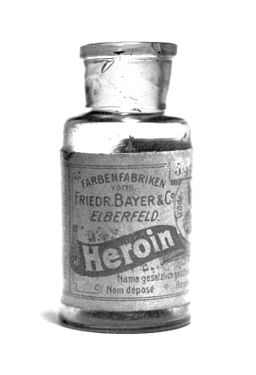 New York’s attempt to think about stupid stuff for a weekend came to an abrupt halt early on Super Bowl Sunday when word was leaked that Philip Seymour Hoffman was found dead of a heroin overdose.
Hoffman was a highly celebrated actor and I had the good fortune to see him on stage several times. His most well-known role was his Oscar-winning performance as Truman Capote in Capote. My personal favorite Hoffman film performances were his turns as the millionaire Lebowski’s assistant in the Coen brothers’ The Big Lebowski and as the furiously masturbating crank phone caller in Todd Solondz’s Happiness.
Heroin is one of the absolutely dumbest drugs you can take. It is horrifically addictive and even people who have been rid of it for years find themselves drawn back to it, as was apparently the case with Hoffman. I can think of several good people I knew, people I thought were too smart for it, people who were streetwise and experienced and with a lot of talent to offer and good years ahead of them, who have overdosed on smack. It’s one of the most senseless and undignified deaths imaginable. It’s an admission to the world that you were weak, that you let a small envelope of powder determine your fate.
It is immensely frustrating to see people with great talent and success piss away their lives with drugs or alcohol. But they have done so endlessly. The litany of great artistic drunks and drug addicts outnumbers the roster of brilliant teetotalers immeasurably.
One can argue that for big movie stars like Hoffman, arrogance and success drive them to drugs. I disagree. Hoffman likely began his life with drugs when he was little known. Most of the artists who die from drugs and alcohol are not famous people but nameless nobodies without much to their name.
Artists are drawn to substance abuse because they are constantly seeking transcendence. That’s why they are artists; they want to exist outside the humdrum of everyday life. Every creative person, myself included, has a star-gazed idea of themselves that rarely matches reality. Creative people almost always want to be something other than what they are. And for an artist, the worst thing in the world is to look in the mirror and realize that you’re a normal person like everyone else. Drink and drugs can keep that fun-house mirror in front of your face a lot longer than your brain can by itself. That’s the deadly trap of getting drunk or high. It’s a lot easier to sit in a pretty café and drink yourself into oblivion like Hemingway than it is to sit over a keyboard and write a novel like Hemingway.
As one of the world’s legion of frustrated writers, I have spent most of my adult life on the drunk list but became a teetotaler in recent years. I can say with confidence that you can excel at being creative while not indulging in substance abuse. I like to think that if I can quit drinking, anyone can quit anything (and without becoming a religious Alcoholics Anonymous zombie either, but that’s a topic for another time). Even Charles Bukowski, who made his reputation on being a habitual drunk, was able to quit drinking later in life without it damaging his writing output. A biographer quoted him as saying he hardly missed it.
Some people are determined to be junkies or drunks. There’s no excuse for it. Trying to make sense of it will break your heart. It doesn’t degrade the art they leave behind, but the loss of their talent makes their passing much more contemptible.
Making Babies for Fun and Posterity
 It’s always been my philosophy to engage in any and all adventure within reason. I have gone skydiving, hiked mountain trails, traveled to foreign lands, acted in a play, started a punk rock band and even had a bit part in a movie.
The one adventure that still terrified the shit out of me was having kids, but I could put it off no longer.
I once held the idea that having kids was a disastrous act reserved for spoiled suburbanites, entitled ghetto-dwellers, or saps too stupid to use birth control. I thought the human race was a doomed enterprise and the sooner the planet was turned back over to the hump-backed whales, baboons, tapirs and sloths, the better.
But circumstances blessed me in semi-adulthood with much younger siblings and I found my tolerance for dealing with children. When I was an underemployed bum living in my father and stepmother’s basement at the age of 24, playing with my stepbrothers and dancing to Johnny Cash songs with my young sister were among life’s few joys.
Over the years many of my friends have married and had children and I have watched people I once saw launch fireworks indoors or drink a jug of Southern Comfort at 10 in the morning suddenly in charge of small human lives and doing a good job of it.
Plenty of people with experience told me never to get married, but everyone I know who has had kids, no matter what misery has befallen them since, recommends having kids with the highest of praise and encouragement.
It’s a natural instinct. Everyone with a soul has the need to leave something behind in this world as a monument to the fact that they have lived. Few of us will wield the influence that will make our names live after for many years. History only has room for so many Caesars, Michaelangelos and Einsteins. But if we have kids, we’ve guaranteed at least a small piece of us will live on. We have made our mark in the world in some small way and shown we are secure enough in our personal survival to make more of our own kind. Of course part of this is ego-driven. I happen to think I’m a good person and that the world could use more people like my wife and me.
So it was with gusto and success that my wife and I set about to conceive. We soon learned that we were having twins and that they would both be girls. We debated names and set about preparing for their arrival.
Nine months passed by quickly, and it was soon time to deliver the goods to a phalanx of family and friends. With great patience and perseverance, my wife brought two beautiful baby girls into the world. They are perfect and destined for great things. If they are anything like me and my brother, they will fight like hell spawn for the first eighteen years of their lives.
So far my brief foray into the adventure of fatherhood has been all it was promised. I have a deep and abiding love for many of my family and friends, but if any of them crapped their pants while they were visiting me, they would be taking that all with them. True parental love is getting human feces on your hands and somehow not minding.
Living in New York City, raising children will be a difficult task. The cost of living is very high, waiting lists for good schools are long; there are dangers everywhere. The city is not designed for the modern conveniences of child-rearing. The streets, sidewalks and shops are too narrow for double-wide strollers, car seats, and screaming toddlers.
We have vowed not to become the worst of what I have seen in child-bearing among the many strangers I encounter in the Big Apple. A lot of people think that because they have reproduced that their lives are somehow more thrilling or important than others. The parents who have thrived in some of the “upwardly mobile” areas of the city have made their neighborhoods by-words for some the worst kind of overindulgent rot the human race has seen since the fall of Rome. I promise on my life and on the blood of my children that I will not become such an effete, self-satisfied, latte-breathed snob that are overrunning parts of Brooklyn and even Queens now. If that happens, I hope someone runs me down with a hijacked city bus.
There are many scary events on the horizon. These kids will get sick; they will say embarrassing things in public. They will refuse to eat their vegetables and maybe set fire to the cat. Eventually they will start dating, go to college and ask us to pay.
I don’t want to think about these terrifying things. I’ll save some money and make all the preparations I can, but this is the greatest and most consequential endeavor of all. There is little one can really coherently do but embrace parenthood as another great adventure. It’s the adventure where the stakes are the absolute highest and that you will never feel really prepared for.
Wish us luck.
Legalize It, Then Criticize It…
 New York State may soon embrace medical marijuana. We’d be better off if the government legalized it outright. Why talk half-steps when other states have already made cannabis legal?
It was Tommy Chong who put it to New York via social media, saying that we were behind the high times. New York used to be the place that this kind of progress was launched, Chong mourned, now we’re catching up with Colorado and Washington.
Tommy Chong is right. Marijuana should be legal in all 50 states. It’s ludicrous that people are in jail for growing it or smoking it or having a big wad of it rolled into a cigar leaf or in a brownie or anal suppository or however else people are getting it into their bodies today. Legalize it.
The people have spoken. In times that it’s been put to a vote, voters support legalization of marijuana. Whether it’s medical marijuana, which is more widespread, or the outright legalization that we’ve seen recently in Washington and Colorado. But beyond that, even in places that still enforce draconian laws against the weed, marijuana use is very high (pun intended).
We are not far from the prohibition of marijuana being as antiquated and ridiculous as the prohibition against alcohol that started almost 100 years ago. That prohibition is rightfully considered a joke today, and our grandchildren will look down their noses at the outlawing of marijuana in the 20th Century. Rightly so.
So let us join our voices to the millions that already call for legalizing electric lettuce in New York. Let the City lead the way and hopefully the state will follow. Let the fifty states tax and regulate cannabis like they do tobacco and alcohol. The government can’t stop people from smoking it, so it might as well make a few bucks to help keep the roads paved.
But where there is support for legalization, let’s also support some healthy distrust of the marijuana industry. Wanting to legalize it shouldn’t stop us from criticizing it. Marijuana does not belong on a list of outlawed substances (if any do is another matter), but that doesn’t mean it belongs in our bodies.
There is a lot of awareness and opposition to genetically modified foods and the potential dangers they pose to people’s health. There’s a greater demand now for natural and organic foods made free from the use of dangerous chemicals or genetic manipulation. Yet none of this scrutiny is being applied to marijuana cultivation.
If you’re not willing to eat a plant that was grown with a genetically modified seed, then don’t smoke something that’s named for a Star Trek character. I’ll do what I can to avoid food made possible by Monsanto, but I’m also not going to smoke something named “Vulcan Mind Meld No. 6.” Do we really need to be a lazier, slower-witted country that eats even more junk food at two o’clock in the morning?
Let’s definitely legalize the chronic, but let’s also approach it with the same skepticism as we would any other element of big agribusiness. And that’s what marijuana is: big business. No one is selling weed out the kindness of their heart. Tobacco and alcohol companies are rightly treated with suspicion. The people hawking ganja are no more saintly.
Medical marijuana is great, but the overwhelming majority of people using weed are using it to get high for its own sake. They have every right to do that. But unless you have a serious medical condition, marijuana isn’t good for you. I want to live in a world where people are not persecuted for smoking a plant. But I also know that the world does not need more pot heads.
Let’s increase the sanity of the conversation. Marijuana legalization is the right thing to do. But let us embrace legalization of marijuana without having to embrace marijuana itself.
The Greatest Borough – a poem for the hearty literary types
 The first poem of the year has been posted on the Impolite Literature blog. The poem is entitled “The Greatest Borough” and it’s an homage to Queens, which I contend is the city’s greatest borough. You may disagree.
A Mayoral Lack of Horse Sense
 Several years ago, while visiting the tourist sites in Manhattan around the holidays with some family, we were walking on Central Park South after a stop at The Plaza. As we passed by the line of hansom cabs, my Grandmother remarked that she had never taken a horse-drawn carriage ride through Central Park. My father set about rectifying that at once, and a few minutes later they were on their way in a horse-drawn hansom cab.
My dad’s spontaneity and love for our grandmother was admirable and made the day more memorable. If he visits New York next Christmastime, he may not be able to take a hansom cab ride.
New York Mayor Bill de Blasio pledged, days before his recent inauguration, to do away with the hansom cabs.
Animal rights activists, including the predictable coterie of celebrity actors, have long denounced the horse-drawn carriages as manifestly cruel. They’ve been aiming to have the carriage rides outlawed for a long time.
De Blasio was inaugurated with much fanfare from his liberal supporters who are happy to see a Democrat in office once again.
But doing away with the horse-drawn carriages is foolish pandering to a lobby polluted with fringe players and the loss of a fine tradition and lots of jobs. Cruelty to animals is terrible, but animal rights activists are never too far away from taking a hard left turn to crazy town, and outlawing horse-drawn carriages is a fringe activist power-grab that a mayor is supposed to be wide enough to sidestep.
The New York City Police use horses regularly, and there are a few stables that offer horseback riding within the five boroughs. Space for horses is hard to come by in most of New York, but so is space for anything.
Being generous and assuming for the sake of argument that conditions for the horses are bad, the solution is not to outlaw an industry but to improve and regulate the care of the horses. It’s not wrong to use horses to pull carts. It’s OK to ride horseback and it’s OK to ride an elephant and a camel. There are lots of animals that are not suitable for riding, but horses are alright. This is actually common knowledge and the fact that there’s a serious debate over banning the industry shows how a more extremist animal rights community has been successful in framing the debate. Luckily the carriages won’t go without a fight.
What’s more, de Blasio is potentially putting hundreds of working-class New Yorkers, whose Teamsters Union endorsed him, out of work. For a politician who came into office on a platform of fighting for middle and working class New Yorkers with the nebulous pledge of ending “inequality,” putting hansom cab drivers out of work is the political equivalent of crapping in an inaugural ball punch bowl. Mayor de Blasio likely knows this, so hence the announcement during the holidays and before the hullaballoo of his inauguration.
There have definitely been drivers who overworked or abused their horses. One driver was even arrested for animal abuse when found to be working a horse that had an infected hoof. But the carriages are regulated and inspected and have been under significant scrutiny for years.
If we let animal rights activists start calling the shots, we’ll start on a slippery slope to becoming a city of pathetic vegetarian tree-huggers.
 Matthew Sheahan
Recent Comments